
CDL
17 Million CDL records: Why U.S. States are suing DOT and DHS
August 18, 2026


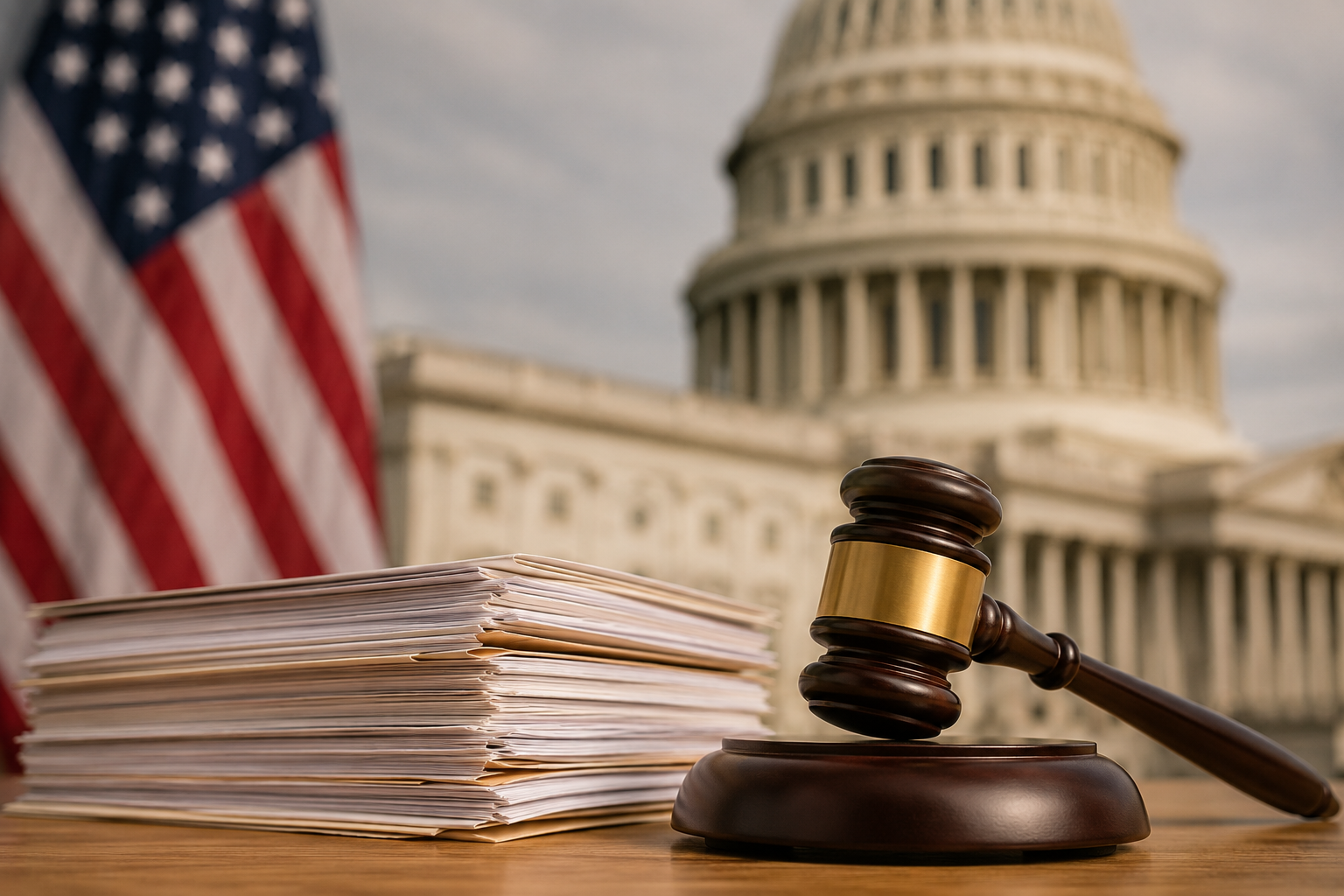
The U.S. trucking industry is facing a new dispute over commercial driver data. Federal authorities requested access to records belonging to approximately 17 million Commercial Driver’s License (CDL) holders, but a coalition of states has challenged the request in court.
17 Million CDL records at the center of new Federal dispute
Major legal battle is emerging over the handling of commercial driver data in the United States. The federal government has requested access to records involving roughly 17 million CDL holders, while several states are pushing back against the request and have taken the issue to court.
What happened
On June 25, 2026, the Federal Motor Carrier Safety Administration (FMCSA) requested that the American Association of Motor Vehicle Administrators (AAMVA) provide CDLIS records covering the previous five years.
The request involves approximately 17 million records that may contain:
- Driver’s name
- Date of birth
- State of issuance
- Driver’s license number
- Social Security Number
- Information related to the driver’s record
According to court filings, FMCSA said the request was intended to strengthen oversight of CDL issuance, identify violations, and maintain the integrity of the commercial driver licensing system.
The Department of Homeland Security (DHS) also made a separate request. The agency said the information was needed, among other things, to investigate fraud involving CDL training schools and violations related to the issuance of commercial driver licenses.
Why are states challenging the request?
Twenty-one states and the District of Columbia filed a lawsuit against the DOT, FMCSA, and AAMVA. A separate lawsuit against DHS was supported by 22 states and the District of Columbia.
The states' main argument is that federal agencies are attempting to obtain a large amount of personal information without sufficient legal authority or adequate safeguards governing how the data will be stored, used, and shared.
Particular concerns involve Social Security Numbers and other personal information belonging to millions of commercial drivers.
According to the plaintiffs, federal authorities also threatened to terminate more than $10 million in federal funding and contracts involving AAMVA if the organization did not provide the requested information.
Read more about the case — Overdrive
Court temporarily blocks the transfer of data
On August 18, new developments emerged in the case.
A federal court temporarily blocked the DOT and DHS from obtaining more than 17 million CDL records. As a result, the transfer of the database has been put on hold while the legal dispute continues.
This marks an important development from the initial situation, when the states had only filed lawsuits challenging the federal agencies’ demands.
Overdrive — Federal judge halts DOT's CDL records demand
What does the DOT say?
U.S. Transportation Secretary Sean Duffy has strongly criticized the lawsuits.
The DOT argues that the federal government has legal authority to obtain the necessary information and that access to the data is needed to combat fraud, illegal CDL issuance, and potentially unsafe drivers.
The department also points out that CDLIS has been used by federal authorities for years as part of the commercial driver licensing oversight system.
Why does this matter for trucking?
At first glance, the dispute may appear to be purely legal. However, it could have a direct impact on fleet owners, carriers, and drivers.
The federal government has been increasing its focus on who receives a CDL, whether drivers meet federal requirements, and whether the information in their records is accurate.
As a result, CDL records are becoming an increasingly important part of the federal oversight system for the trucking industry.
For carriers, this means that compliance is becoming an even more important part of daily operations.
Drivers should also keep a close eye on the status of their CDL, driver records, and other documents that may be required during inspections or compliance checks.
This does not cancel CDLs or change HOS rules
It is important to understand that the current legal dispute does not cancel CDLs or change Hours of Service requirements.
The case is specifically about federal agencies' access to a large database of commercial driver records.
It also does not mean that the federal government has permanently lost access to this information. The court's order is a temporary measure while the legal proceedings continue.
What happens next?
The next steps will depend on how the court proceedings develop.
The key questions are:
Will the federal government ultimately gain access to the CDLIS records?
Does FMCSA have the legal authority to request such a large database?
What restrictions should apply to the use of Social Security Numbers and other personal information belonging to commercial drivers?
For the trucking industry, this could become one of the most significant regulatory battles of August 2026.
Sources
FreightWaves — Why 22 States Are Suing to Block a Federal Demand for 17 Million Truckers’ Records
FreightWaves — States sue Trump administration over bid to access 17 million CDL records
Overdrive — States sue DOT, DHS over demands for drivers' CDLIS records
Overdrive — Federal judge halts DOT's CDL records demand
Land Line — Privacy concerns? States sue DOT, DHS over CDLIS records
What carriers should do now
Although the lawsuit does not directly require carriers to change their ELD or compliance processes, companies should continue monitoring FMCSA and DOT regulatory updates and regularly review driver credentials and compliance records.
For fleet managers, this is another sign that regulatory oversight in the U.S. trucking industry is becoming increasingly digital and data-driven.
Motion ELD will continue monitoring FMCSA, DOT, and other regulatory developments that may affect carriers and owner-operators.
What's next

Appreciation week
September 8, 2026
National truck Driver Appreciation week 2026
Happy National Truck Driver appreciation week from the Motion ELD team. National Truck Driver Appreciation Week returns September 13–19, 2026, honoring the millions of professional drivers who keep America moving every day.
DOT
September 3, 2026
Fewer DOT Inspections, More OOS violations: What carriers need to know in 2026
FMCSA data shows that roadside inspections are down in 2026, but out-of-service violations have reached a five-year high. Learn how carriers can stay inspection-ready with Motion ELD.

ELD
August 26, 2026
5 ELD mistakes that can cost your fleet money
However, simply having an ELD installed does not guarantee that your fleet is protected from compliance problems or unnecessary costs. Here are five common ELD mistakes that can create risks for your fleet.